Ductless Mini-Split Installation in San Jose, CA


The Most Efficient Way to Heat and Cool Your Bay Area Home
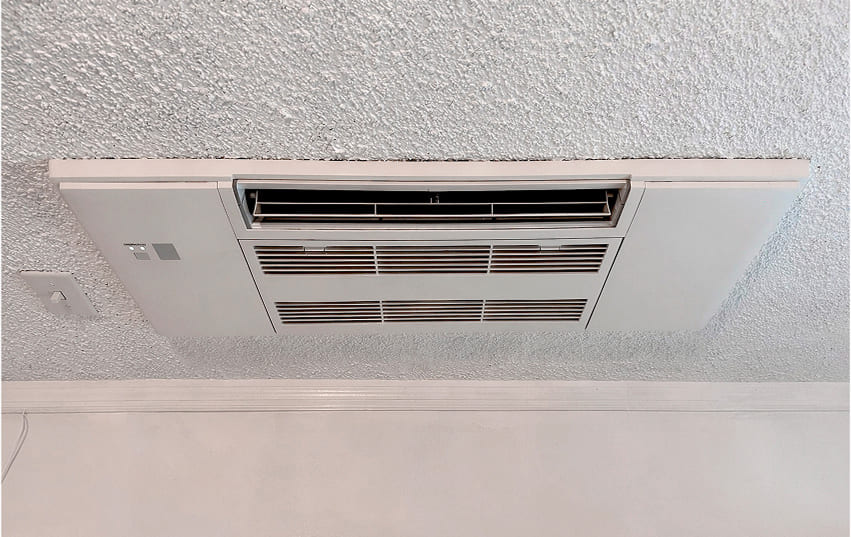
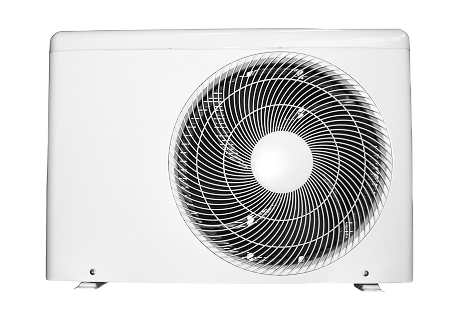
A ductless mini-split is a heating and cooling system that works without ductwork. An outdoor compressor connects to one or more indoor units through a 3-inch conduit in the wall – refrigerant lines, a power cable, and a condensate drain. That’s it. No ceilings torn open, no ductwork designed or installed, no weeks-long construction project. Most single-zone installations are completed in one day.
In the Bay Area, mini-splits are typically used in four situations: homes that were built without central HVAC and adding ductwork isn’t practical; specific rooms or additions that the existing system doesn’t reach effectively; homeowners making a deliberate switch from gas heating to an all-electric system ahead of the 2029 BAAQMD regulations; and homes with uneven temperatures between floors or spaces – including Eichler homes – where central systems can’t balance the load.
What's Included in Every Mini-Split Installation
Mini-split installation looks simple from the outside – a wall unit, an outdoor compressor, a few holes in the wall. In practice, the difference between a system that performs well for 15 years and one that fails in three comes down to what happens during the installation that’s not visible. Here’s what our standard scope includes:

Load Calculation and Zone Design
Before we recommend any equipment, we calculate the heating and cooling load for each zone. Room size alone doesn’t determine the right system – sun exposure, insulation quality, ceiling height, window area, and how the room connects to the rest of the house all factor in. An oversized unit short-cycles and doesn’t dehumidify properly. An undersized one runs constantly and struggles on the hottest days. The calculation takes 20 minutes during the estimate and determines every equipment decision that follows.
Electrical Assessment and Wiring
Every mini-split requires a dedicated electrical circuit. Single-zone systems typically need a 15–20 amp 240V circuit. Multi-zone systems with multiple indoor units require more capacity. We assess your panel during the free estimate to confirm available circuits and breaker capacity. If a panel upgrade or new circuit is required, our licensed electricians handle it in-house – same contract, same warranty, no coordination between separate trades. This matters because electrical problems are the most common cause of mini-split failures in the first two years.
Equipment Placement and Line Set Routing
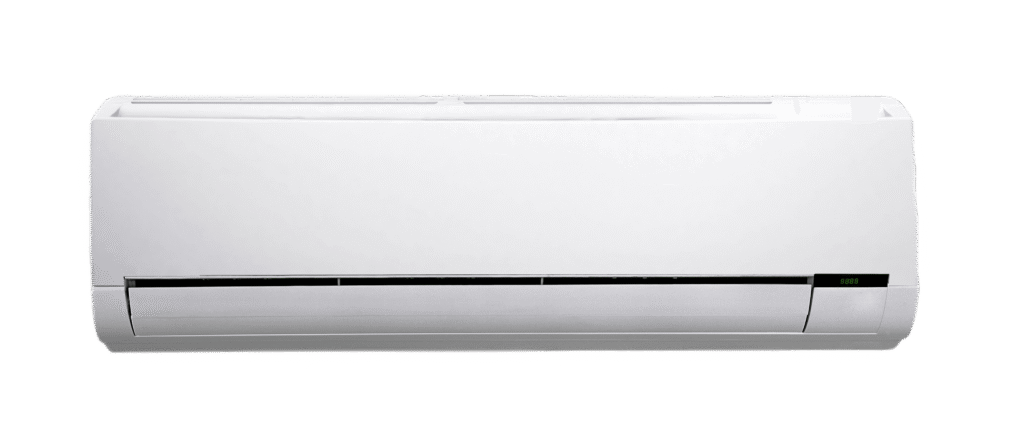
Indoor unit placement determines airflow distribution across the room. The unit should be mounted high on a wall with unobstructed airflow in front – not above a door, not in a corner, not blocked by furniture. Outdoor unit placement is equally important: adequate clearance for airflow, accessibility for maintenance, and positioning to minimize noise impact on bedrooms and neighboring properties. We plan both placements during the estimate and walk you through the proposed locations before installation begins.
Permits and City Inspection
Condensate Drain Cleaning
A blocked condensate drain causes water to back up into the unit and drip inside the home. Bay Area condensate drains clog faster in summer humidity due to algae growth. Clearing a clogged drain takes 15 minutes; the water damage from ignoring it takes significantly longer to fix.
System Commissioning and Verification
After installation, we verify refrigerant charge, test heating and cooling operation across all modes, confirm thermostat or remote control pairing, and check that the condensate drain is clear and flowing correctly. We walk you through the filter cleaning schedule (typically every 4–6 weeks for the indoor unit), seasonal mode switching, and how to read the error codes if something ever goes wrong. The commissioning walkthrough takes about 15 minutes and saves most homeowners from their first unnecessary service call.
What a Mini-Split Installation Actually Costs After Incentives
The installed cost of a mini-split system depends on the number of zones, equipment tier, and whether electrical work is needed. Projects requiring panel upgrades cost more; we identify this during the free estimate and include it in the written scope.
Ductless Mini-Split
$3,800–$6,000
before incentives
Best for: Homes without ductwork, additions, ADUs, garages
Individual wall-mounted units per zone. No ductwork required. Each zone controlled independently – no energy wasted on unused rooms.
What a Heat Pump Actually Costs After Incentives
The gross cost of a heat pump installation is only part of the picture. Bay Area homeowners have access to three stacking incentive programs that significantly reduce out-of-pocket cost.
We identify which programs apply to your project, ensure the installation meets all rebate program requirements, and handle the documentation. Most contractors don’t touch the paperwork – we do.
Sample Сalculation
San Jose homeowner, heat pump installation, standard income:
SVCE
$2,500
CA Energy-Smart Homes
$5,750
Net savings
$8,250
Rebate availability changes quickly and is often first-come, first-served or waitlisted. We calculate your exact eligibility and current stacking options as part of the free estimate – no guesswork, no surprises.
This Service May Cost Less Than You Think
Bay Area utility programs and state energy incentives may offset a significant portion of your cost. We check what applies to your home and handle all the paperwork – as part of your free estimate, at no charge.
From First Call to Final Inspection
Mini-split installation involves more steps than replacing a furnace because getting the system right requires decisions about zone configuration, unit placement, and electrical capacity that can’t be made without seeing the home. Here’s exactly how we work.
Step 1
Free Estimate and Site Assessment
We visit your home at no charge. During the visit, we assess the spaces you want to condition, perform a load calculation for each zone, evaluate your electrical panel capacity, and propose indoor and outdoor unit placement. We identify rebate programs that may apply to your project and walk through next steps if pre-approval is required.
You receive a written scope and price at the end of the visit – number of zones, equipment specifications, electrical work if needed, and incentives that apply to your project.
Step 2
Permits
We pull all required permits through the City of San Jose or relevant county building department before work begins. Permit processing timelines vary – typically 1–2 weeks for residential mini-split installations. We coordinate the schedule so installation proceeds as soon as permits are issued.
Step 3
Installation
Single-zone installations are completed in one day. Two-zone and three-zone systems typically take one to two days. Projects requiring electrical panel work may extend the timeline by one day – we specify this in the written estimate.
Our in-house team handles HVAC installation and electrical work under the same contract. The indoor units are mounted, the outdoor unit is set and secured, refrigerant lines are run through the conduit, and electrical connections are made and tested.
Step 4
City Inspection and Commissioning
City inspection is scheduled after installation and completed before the job is closed out. Our pass rate is 100% across San Jose and the Peninsula.
After inspection, we commission the system: verify the refrigerant charge, test all operating modes (cooling, heating, dehumidification, fan-only), confirm remote or smart thermostat pairing, and check condensate drainage. We walk you through filter maintenance, seasonal operation, and how to interpret error codes before we leave.
Why Bay Area Homeowners Choose Ozone Service for Mini-Split Installation
HVAC and Electrical Under One Roof
Every mini-split installation requires electrical work. At minimum, a dedicated circuit and disconnect. Larger multi-zone systems or installations in older homes with limited panel capacity require breaker additions or panel upgrades. When two separate contractors handle HVAC and electrical, you manage two schedules, two contracts, and two warranty claims if anything goes wrong. We carry both HVAC and electrical licenses. One team handles the complete scope. If a panel upgrade is needed as part of your mini-split installation, it's included in the same written estimate - not discovered after installation day.
We Manage the Rebate Process
Some local rebate programs require pre-installation approval. Most HVAC contractors install the system and hand you a brochure about available rebates. We’ve secured more than $350,000 in rebates for Bay Area homeowners over the last 6 months because we build compliance into the installation from the estimate forward - correct equipment specifications, proper permits, pre-approval coordination where required, and documentation ready for your tax filing.
100% City Inspection Pass Rate
Every mini-split installation we complete passes city inspection on the first attempt. This matters for two reasons beyond pride: an unpermitted or failed-inspection installation disqualifies you from rebates, and it creates problems at the point of home sale. We pull permits on every job, size equipment correctly, and don't cut corners on refrigerant charge or electrical connections.
Correct Zone Design, Not a Default Configuration
Most mini-split installers propose configurations based on the number of rooms - two bedrooms, one living room, three zones. We perform a load calculation for each zone. A south-facing master bedroom with skylights has a different peak load than a shaded north-facing bedroom of the same size. Installing identical capacity units in both wastes money on one and leaves the other uncomfortable. The load calculation takes 20 minutes during the estimate and saves the homeowner from discovering the problem two summers later.
What You Get
Common AC Repairs We Handle in San Jose
Refrigerant pressure check
Low refrigerant doesn’t just reduce cooling – it strains the compressor until it fails. We locate the leak, repair it, and recharge the system to manufacturer spec. Adding refrigerant without fixing the source is a temporary patch that accelerates damage. Our EPA 608-certified technicians handle all refrigerant work in compliance with California regulations.
Evaporator and condenser coil cleaning
Dirty coils reduce efficiency by up to 30% and cause the system to run longer and hotter
Electrical components (capacitors, contactors, wiring)
These degrade before they fail so catching them early costs a fraction of emergency repai
Condensate drain flush
Prevents water damage and mold buildup common in Bay Area summer humidity
Airflow and filter assessment
Restricted airflow is the single most common cause of early system failure
Thermostat calibration check
A 2°F error makes the system run longer than it needs to, wasting energy and causing wear.
Full system performance report
Written findings with recommendations. You keep the report with no commitment required
Authorized Dealer & Installer








Real Homes, Real Results
What Our Customers Say
EXCELLENTTrustindex verifies that the original source of the review is Google. Got a full heat pump system installed last month and honestly couldn't be happier with how the whole process went. From the first visit to final inspection, the team was organized and clearly knew what they were doing. What I didn't expect was how much help they gave me with the rebate programs - I had no idea how much money was available until Konstantin walked me through everything. They handled all the paperwork on their end, and my out-of-pocket ended up being significantly less than the initial quote. The system has been running quietly and efficiently since day one. Highly recommend to anyone in San Jose thinking about making the switch.Posted on GoogleTrustindex verifies that the original source of the review is Google. AC stopped working on a Friday afternoon. Called Ozone, they came out the same day, found the issue fast, and had everything running before dinner. No drama, fair price. Thanks guys.Posted on GoogleTrustindex verifies that the original source of the review is Google. Very efficient, on-time and fair priced. Thank you.Posted on GoogleTrustindex verifies that the original source of the review is Google. Had a great meeting with Konstantin who explained "AC + furnace" vs heat pump, options, decision points. He presented impartially many technical and practical details and considerations that I find critical in making the right choices. Update: The heat pump installation was completed on time with no hiccups. Aleksander, the lead installer, was great in both the technical side but also explaining to me some very important details of the job and the future use. Definitely recommend them!Posted on GoogleTrustindex verifies that the original source of the review is Google. Very helpful in diagnostics check. I will follow up with this company if I need anything else.Posted on GoogleTrustindex verifies that the original source of the review is Google. Technician was careful and throughoutPosted on GoogleTrustindex verifies that the original source of the review is Google. We needed a completely new HVAC system installed, and we had a great experience working with this team. I’ll admit I’m pretty picky and detail-oriented when it comes to work being done on our house, especially during a major renovation, so I don’t give praise lightly. That’s part of why I wanted to write this review. Konstantine took the time to explain the product options and installation process very clearly, which made us feel confident from the beginning. He was always responsive and easy to reach — whenever we had questions or concerns, he picked up the phone, understood our situation, and worked hard with us to solve problems in a thoughtful and kind way. That level of care meant a lot to us. Since we’re doing a full house renovation, we later needed to relocate some HVAC vents and return locations that had already been installed. Even though this meant coming back to our house multiple times, they were incredibly kind and accommodating about making those changes for us. Special thanks to Alex for going above and beyond — we really appreciated his patience and help, especially since they had to come back more than three times for us. The whole team was professional, responsive, and genuinely cared about doing the job right. Even as someone who is pretty particular, I was very pleased with their work and highly recommend them to anyone looking for HVAC service.Posted on GoogleTrustindex verifies that the original source of the review is Google. Truly outstanding service and HVAC system. Konstantin and his group are extremely competent professionals who are very fairly priced and honest in their dealings. We were extremely impressed by how knowledgeable, polite, and hardworking the Ozone folks are. It’s an amazing business and I will use them for all HVAC needs. I recommend them enthusiastically.Verified by TrustindexTrustindex verified badge is the Universal Symbol of Trust. Only the greatest companies can get the verified badge who has a review score above 4.5, based on customer reviews over the past 12 months. Read more
Commercial Ductless and Multi-Zone Systems
We install ductless and multi-zone systems for commercial properties across the Bay Area – office suites, retail spaces, server rooms, medical offices, and multi-unit residential. Commercial applications follow the same process: load calculation for each zone, proper permitting, licensed installation, and city inspection.
For larger commercial projects involving VRF (Variable Refrigerant Flow) systems where a single outdoor unit serves 8–50+ indoor units across a building, contact us directly to discuss scope, timeline, and equipment options. VRF systems involve different design requirements than residential multi-zone configurations and are scoped individually.

Frequently Asked Questions
Is a mini-split the right choice if I already have central AC?
It depends on what problem you’re trying to solve. If your central system works well for most of the house but one or two rooms are consistently uncomfortable – too hot in summer, too cold in winter – a single-zone mini-split for those rooms is often more cost-effective than replacing or upsizing the whole system. If your central system is reaching end of life and your home lacks ductwork in key areas, a multi-zone mini-split may replace it entirely.
We give you a direct comparison at the free estimate: the cost of solving the specific problem vs. the cost of replacing the whole system.
How many zones do I need?
One zone per area you want to control independently. A ‘zone’ typically corresponds to one floor, one large room, or one wing of the house. Open-plan spaces can usually be covered by a single indoor unit. Bedrooms, home offices, and sunrooms often benefit from their own zone because the people using them have different comfort preferences and schedules.
One outdoor unit can connect to multiple indoor units – up to 8 zones on a standard multi-zone system. We design the configuration based on your home’s load calculation, not a generic room count.
How much does mini-split installation cost in San Jose?
Single-zone systems: $3,500–$5,500 installed before incentives. Two-zone: $6,500–$9,500. Three-zone: $9,000–$13,000. Four-zone full-home: $12,000–$18,000.
After Rebate (if replacing gas equipment), most Bay Area homeowners reduce out-of-pocket costs by $3,000–$7,000 depending on system size and program eligibility. We give you a specific installed price at the free estimate.
Does a mini-split require a permit in San Jose?
Yes. All mini-split installations in San Jose require a building permit. We pull the permit before work begins and schedule city inspection as part of our standard process.
This matters beyond compliance: most local rebate programs require proof of final permitting. An unpermitted installation disqualifies you from the rebate and creates a disclosure obligation when you sell your home.
How invasive is the installation? Will you need to open my walls?
No. The installation requires a 2-inch hole in an exterior wall for the conduit – refrigerant lines, power cable, and condensate drain. The indoor unit mounts on the wall surface; nothing goes inside the wall cavity. The outdoor unit sits on a concrete pad or wall brackets outside.
Most installations are completed in one day without any drywall work, ceiling access, or structural changes. If your project includes electrical panel work, that adds time – we specify this in the written estimate before any commitment.
Can a mini-split heat my home in winter?
Yes. Modern heat pump mini-splits provide both heating and cooling. In Bay Area winter conditions, typically 35–50°F overnight lows, a standard heat pump operates at full efficiency. For homes in hillside areas that see occasional freezing temperatures, we recommend models with cold-climate heating capability (the Mitsubishi H2i® series maintains 100% capacity down to 5°F).
Heating from a mini-split heat pump is 2–3× more energy-efficient than a gas furnace at equivalent output, because the system moves heat rather than generating it.
Will my electrical panel need an upgrade?
Possibly. Single-zone mini-splits typically require a 15–20 amp 240V dedicated circuit. If your panel has available breaker slots and adequate capacity, no upgrade is needed. Multi-zone systems require more capacity – 30–60 amps depending on configuration.
We assess your panel at the free estimate. If an upgrade is required, our licensed electricians handle it under the same contract. We specify the cost in the written scope before any work begins – no surprises on installation day.
How long does a mini-split system last?
20–25 years with proper maintenance. The main factors are installation quality (refrigerant charge, electrical connections, condensate drainage), filter cleaning frequency (every 4–6 weeks for the indoor unit), and annual professional inspection of refrigerant levels and outdoor coil condition.
The warranty covers parts and labor for up to 12 years. If something fails within that period, we diagnose and fix it at no charge – no trip fee, no diagnostic fee.
Get a Free Estimate for Ductless Mini-Split Installation
No trip fee. No diagnostic charge. A licensed technician visits your home, calculates the load for each zone, and gives you a written scope and price, including which incentive programs apply to your project.
- go@serviceozone.com
- Serving Bay Area, 24/7