 Skip to content


Indoor Air Quality Services in San Jose, CA
Filtration upgrades, whole-home ventilation, UV purification, and humidity control for Bay Area homes. Licensed HVAC technicians assess your system and recommend solutions that fit your equipment and your budget. Workmanship warranty on every installation we complete.
Serving Santa Clara & San Mateo Counties


What You Breathe at Home Is Not the Same as Outside
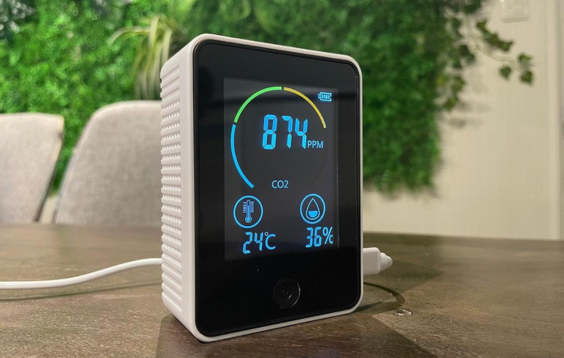
Indoor air in Bay Area homes is often two to five times more polluted than outdoor air, according to the EPA. The reasons are practical: modern homes are built tightly for energy efficiency, which reduces natural ventilation. Wildfire smoke infiltrates through ductwork and gaps. Cooking, cleaning products, and off-gassing from furniture and building materials accumulate in recirculated air.
The HVAC system is the main vehicle for improving or degrading indoor air quality. A correctly specified filter, a working ventilation path, and a controlled humidity range determine what circulates through every room. These are not add-on accessories. They are the performance parameters of the system already installed in your home.
Ozone Service assesses your home’s air quality as part of every HVAC visit. When improvements are warranted, we recommend and install solutions that work with your existing system: upgraded filtration, energy recovery ventilation, UV purification, or humidity control. No unnecessary equipment, no overselling products that do not address the actual issue.
Common indoor air quality problems in Bay Area homes:
- Wildfire smoke infiltration during fire season, particularly in homes with older ductwork or gaps at the air handler
- Elevated dust and particulate levels from inadequate filtration in forced-air systems
- High humidity in coastal and valley homes, promoting mold growth in ducts and air handlers
- Low humidity in winter months when heating systems run continuously, affecting respiratory comfort
- VOC buildup from cooking, cleaning products, and building materials in tightly sealed homes
- Carbon dioxide accumulation in bedrooms and home offices with poor fresh air exchange
What's Included in Every Indoor Air Quality Visit
Improving indoor air quality is not a product sale. The difference between an upgrade that works and one that sits unused comes down to what happens during the assessment that is not visible on a spec sheet. Here is what our standard scope includes.

Air Handler and Duct Condition Assessment
Before recommending any product, we inspect your air handler cabinet, coil, and accessible duct connections. A filtration upgrade installed on a leaking air handler or a cracked duct section recirculates unfiltered air regardless of MERV rating. We document what we find and address these conditions before specifying IAQ equipment. The assessment takes 20 to 30 minutes and determines every product recommendation that follows.
Static Pressure and Filtration Compatibility Check
Every filter upgrade recommendation is preceded by a static pressure measurement at the air handler. Higher-MERV filters restrict airflow, and the threshold varies by blower model and duct design. Installing a MERV 13 on a system rated for MERV 8 causes coil freeze, compressor short-cycling, and early component failure. We measure first and specify the highest-rated filter your system can support without compromising airflow. This is the step most IAQ vendors skip.
Ventilation Rate Evaluation
We calculate your home’s current air exchange rate based on the number of occupants, square footage, and existing mechanical ventilation. Bay Area homes built after 2000 are often tight enough to accumulate CO₂ and VOCs above ASHRAE 62.2 guidelines within hours of occupancy. If your ventilation rate is below the threshold, we size and specify an energy recovery ventilator for your home’s volume, not the smallest unit that technically qualifies.
Humidity Measurement and Source Identification
We measure indoor relative humidity and assess whether the source is infiltration, occupant activity, or equipment performance. Coastal and valley Bay Area homes frequently exceed 60 percent in the summer. Homes with forced-air heating commonly drop below 30 percent in winter. The cause determines the solution: a dehumidifier integrated at the air handler, a whole-home humidifier at the furnace or air handler, or duct sealing to reduce infiltration from unconditioned spaces.
UV and Filtration System Installation
Where filtration and UV purification are warranted, we install the equipment correctly for the airflow rate of your specific system. UV germicidal systems require precise positioning relative to the coil and sufficient dwell time at your air handler’s rated CFM. A UV lamp installed in the wrong location provides minimal protection regardless of wattage. We mount to manufacturer specification, verify UV output, and document the installation for your records.
Post-Installation Verification and Owner Walkthrough
After installation, we verify that every component is operating correctly: filters are seated without bypass gaps, the ERV is balancing airflow intake and exhaust within 10 percent, the UV lamp is active, and the humidifier or dehumidifier is reaching the target setpoint. We walk you through the maintenance schedule for each installed component, how often to replace filters, how to read ERV status, and when to call for service. The walkthrough takes about 15 minutes and is included in every visit.
What You Get
IAQ Services We Provide in San Jose
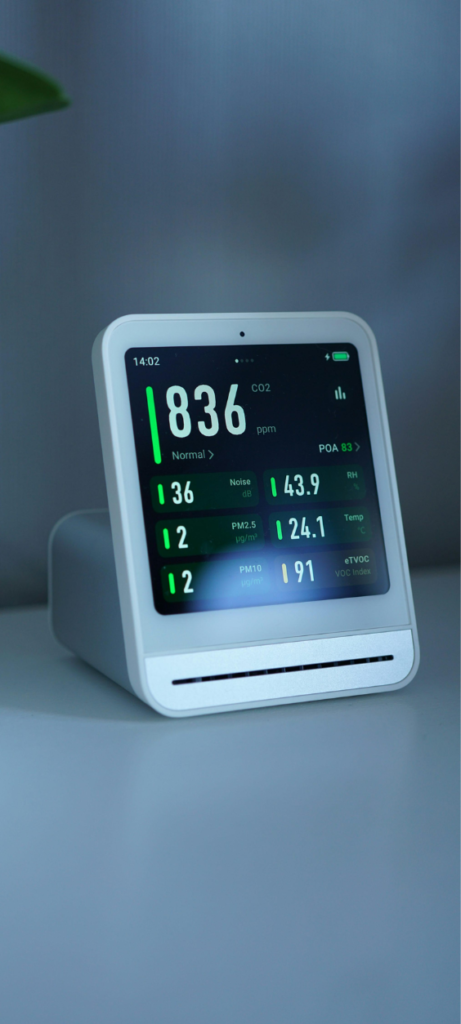
Air Filtration Upgrades
Standard 1-inch filters in most residential systems capture large particles but pass fine particulates, allergens, and smoke particles. We assess your air handler’s capacity for higher-MERV media filters (MERV 11 to 13) or whole-home HEPA bypass filtration and install the highest-rated filter your system can support without restricting airflow. Airflow restriction is the primary failure mode when homeowners upgrade filtration without an assessment.
Energy Recovery Ventilation (ERV)
An energy recovery ventilator brings controlled fresh air into the home while exhausting stale indoor air, exchanging heat and moisture between the two streams to minimize energy loss. For Bay Area homes built after 2000, an ERV is the most effective solution for CO₂ buildup and VOC accumulation. We size and install ERV systems integrated with your existing ductwork and HVAC equipment.
UV Air Purification
Ultraviolet germicidal irradiation (UVGI) systems installed at the air handler or inside the ductwork neutralize bacteria, mold spores, and some viruses that pass through the filtration system. UV purification is most effective when combined with upgraded filtration. We install systems from established manufacturers, correctly positioned for the airflow rate of your specific equipment.
Whole-Home Humidification
In winter, forced-air heating systems drive relative humidity below 25 to 30 percent, which increases susceptibility to respiratory infections and causes damage to wood floors and furniture. Whole-home humidifiers integrated into the air handler maintain a consistent target humidity without the maintenance burden of portable units. We install bypass and steam humidifiers based on your system type and home size.
Dehumidification
Coastal Bay Area homes and low-lying valley properties frequently exceed 60 percent relative humidity in summer, creating conditions for mold growth in air handlers, evaporator coils, and ductwork. Where the HVAC system’s cooling cycle alone cannot maintain humidity below 55 percent, we assess and install dedicated whole-home dehumidifiers that operate independently of the cooling system.
Duct Sealing Assessment
Leaking ducts draw air from unconditioned spaces, including attics and crawl spaces, and distribute it through the living area. Dirty ducts recirculate accumulated particulates on every cycle. We assess duct condition during the IAQ evaluation and recommend sealing or cleaning where it will materially improve air quality. We do not recommend duct cleaning as a routine service; we recommend it when the assessment shows it is warranted.
Dedicated Circuits as Part of a Larger Incentive Project
A standalone dedicated circuit typically does not qualify for rebates on its own. When the circuit is installed as part of a qualifying project – EV charger, heat pump, or heat pump water heater – the electrical work is often included in the rebate calculation under Bay Area incentive programs.
Local utility programs can be stacked with state programs. We check what applies to your specific project at the free estimate and handle all documentation.
Sample Сalculation
San Jose homeowner, heat pump installation, standard income:
SVCE
$2,500
CA Energy-Smart Homes
$5,750
Net savings
$8,250
Rebate availability changes quickly and is often first-come, first-served or waitlisted. We calculate your exact eligibility and current stacking options as part of the free estimate – no guesswork, no surprises.
From Assessment to Installation
Step 1
Free Assessment and Site Inspection
We visit your home at no charge. During the visit, we inspect the air handler cabinet and coil, measure static pressure, assess ductwork connectivity and condition, check the current filter type and rating, and evaluate relative humidity. We ask about any symptoms: allergy or respiratory issues, humidity discomfort, wildfire smoke infiltration, or persistent odors. You receive a written assessment report and a separate written quote for any recommended improvements at the end of the visit.
Step 2
Written Recommendations
We present the specific products, sizing, and installation approach for your home with a line-item price for each. You review it, ask questions, and decide which improvements to proceed with. There is no bundled package. If you are not ready to proceed, there is no charge for the assessment. No pressure, no time limit.
Step 3
Installation
Our licensed HVAC technicians complete the approved work. A filter housing replacement or UV system installation is typically done the same day. ERV installations with duct integration take longer; we give you a specific timeline with the written quote. All work is performed by in-house employees under the same contract and warranty.
Step 4
Inspection and System Verification
After installation, we verify that every component is operating correctly: filters are seated without bypass gaps, the ERV is balancing airflow, the UV lamp is active, and humidity equipment is reaching the target setpoint. We walk you through the maintenance schedule for each installed product, how often to replace filters, how to read ERV status, and when to call for service. The walkthrough takes about 15 minutes and is included in every visit.
Why Bay Area Homeowners Choose Us for Indoor Air Quality
HVAC Expertise, Not Just Products
IAQ products only work correctly when matched to the system. A MERV 13 filter on an air handler with insufficient blower capacity restricts airflow and causes coil freeze or compressor damage. An ERV sized for the wrong volume exchanges air too slowly to dilute CO₂ effectively. We assess the system first and specify products that will actually perform.
No Subcontractors
Every technician who assesses and installs is a direct Ozone Service employee with hands-on HVAC experience. When the person doing the assessment is also the person doing the installation, the recommended solution reflects what will actually work, not what is easiest to install.
100% Inspection Pass Rate
IAQ installations that integrate with HVAC equipment require permits in certain configurations. Where permits are required, we pull them and attend the inspection. The same discipline that gives us a 100% pass rate on panel upgrades and subpanel installs applies to every installation we complete.
Authorized Dealer & Installer








Real Homes, Real Results
Our in-house technicians completed all of the work shown here. Every visit was documented, every finding was written up, and every repair was verified before we left the property.
What Our Customers Say
EXCELLENT Based on 85 reviews
 Posted on Google
 Md. Abul Bashar ShantoGot a full heat pump system installed last month and honestly couldn't be happier with how the whole process went. From the first visit to final inspection, the team was organized and clearly knew what they were doing. What I didn't expect was how much help they gave me with the rebate programs - I had no idea how much money was available until Konstantin walked me through everything. They handled all the paperwork on their end, and my out-of-pocket ended up being significantly less than the initial quote. The system has been running quietly and efficiently since day one. Highly recommend to anyone in San Jose thinking about making the switch.Posted on Google
 faiqah firzanahAC stopped working on a Friday afternoon. Called Ozone, they came out the same day, found the issue fast, and had everything running before dinner. No drama, fair price. Thanks guys.Posted on Google
 Amit MVery efficient, on-time and fair priced. Thank you.Posted on Google
 A LHad a great meeting with Konstantin who explained "AC + furnace" vs heat pump, options, decision points. He presented impartially many technical and practical details and considerations that I find critical in making the right choices. Update: The heat pump installation was completed on time with no hiccups. Aleksander, the lead installer, was great in both the technical side but also explaining to me some very important details of the job and the future use. Definitely recommend them!Posted on Google
 Mark BernalVery helpful in diagnostics check. I will follow up with this company if I need anything else.Posted on Google
 Nam NguyenTechnician was careful and throughoutPosted on Google
 Nanping JiangWe needed a completely new HVAC system installed, and we had a great experience working with this team. I’ll admit I’m pretty picky and detail-oriented when it comes to work being done on our house, especially during a major renovation, so I don’t give praise lightly. That’s part of why I wanted to write this review. Konstantine took the time to explain the product options and installation process very clearly, which made us feel confident from the beginning. He was always responsive and easy to reach — whenever we had questions or concerns, he picked up the phone, understood our situation, and worked hard with us to solve problems in a thoughtful and kind way. That level of care meant a lot to us. Since we’re doing a full house renovation, we later needed to relocate some HVAC vents and return locations that had already been installed. Even though this meant coming back to our house multiple times, they were incredibly kind and accommodating about making those changes for us. Special thanks to Alex for going above and beyond — we really appreciated his patience and help, especially since they had to come back more than three times for us. The whole team was professional, responsive, and genuinely cared about doing the job right. Even as someone who is pretty particular, I was very pleased with their work and highly recommend them to anyone looking for HVAC service.Posted on Google
 Alex PérezTruly outstanding service and HVAC system. Konstantin and his group are extremely competent professionals who are very fairly priced and honest in their dealings. We were extremely impressed by how knowledgeable, polite, and hardworking the Ozone folks are. It’s an amazing business and I will use them for all HVAC needs. I recommend them enthusiastically.Verified by TrustindexTrustindex verified badge is the Universal Symbol of Trust. Only the greatest companies can get the verified badge who has a review score above 4.5, based on customer reviews over the past 12 months. Read more
Commercial Indoor Air Quality
We assess and improve indoor air quality for commercial properties across the Bay Area, including office buildings, retail spaces, medical and dental offices, and multi-unit residential complexes. Commercial IAQ work typically involves higher ventilation rate requirements, MERV-rated filtration for commercial air handlers, and compliance with ASHRAE 62.1 ventilation standards.
For commercial properties with existing mechanical systems or planned HVAC upgrades, contact us directly to discuss the scope and the appropriate IAQ solution for your space.
Indoor Air Quality Questions, Answered Directly
What is actually in the air inside Bay Area homes?
The most common pollutants in Bay Area residential air are fine particulates (PM2.5) from outdoor sources and cooking, volatile organic compounds (VOCs) from cleaning products, furniture, and building materials, carbon dioxide from occupants in under-ventilated spaces, mold spores in homes with humidity above 60 percent, and wildfire smoke during fire season. The specific mix depends on your home’s construction, ventilation rate, and the habits of the occupants. We assess which categories are most relevant to your situation during the free visit.
How do I know if my indoor air quality is actually a problem?
The best way to get an accessive information about the air quality in your house is to hire the Licensed and Certified Air-Quality Testing Company for the full assessment.
What does MERV rating mean, and what filter do I actually need?
MERV stands for Minimum Efficiency Reporting Value and rates how effectively a filter captures particles of different sizes. A MERV 8 filter, standard in most residential systems, captures large particles like dust and pollen. MERV 11 to 13 captures fine particulates, smoke particles, and many allergens. MERV 16 approaches HEPA performance but requires a compatible air handler with sufficient blower capacity. The correct MERV rating for your home depends on your air handler model and measured static pressure. Installing a MERV 13 on an air handler designed for MERV 8 reduces airflow and can damage the system.
What is an energy recovery ventilator, and do I need one?
An energy recovery ventilator (ERV) brings fresh outdoor air into the home while exhausting stale indoor air, transferring heat and moisture between the two streams so you do not heat or cool the incoming air from scratch. You need one if your home is tightly built, has CO₂ accumulation in occupied spaces, or has elevated VOC levels from off-gassing materials. Bay Area homes built after 2000 are often tight enough to benefit from an ERV. We assess whether your current ventilation rate is adequate during the free visit.
Do UV air purifiers actually work?
Yes, they do, within a specific scope. UV germicidal irradiation effectively neutralizes bacteria, mold spores, and some viruses when they pass through the UV field at the correct exposure time. It does not capture particles, remove VOCs, or address CO₂. UV purification is most useful as a complement to upgraded filtration, not as a standalone solution. The effectiveness also depends on correct positioning relative to the airflow path and adequate UV intensity for the airflow rate of your system. We install UV systems to manufacturer specs, not approximate placement.
Can improving air quality help during wildfire season?
Yes, it can, with the right combination of measures. During wildfire events, the priority is preventing infiltration of PM2.5 smoke particles and running the HVAC system in recirculation mode with the highest-rated filter the air handler can support. We assess your current recirculation filtration, identify duct and air handler infiltration points, and recommend the combination of filtration upgrades and sealing that gives your home the best protection. An ERV with a closeable outdoor intake allows you to switch between fresh air mode and sealed recirculation mode depending on outdoor conditions.
How does humidity affect air quality and health?
Relative humidity below 30 percent, common in Bay Area homes during winter heating months, dries out mucous membranes, increases susceptibility to airborne infections, and causes static buildup. Humidity above 60 percent promotes mold growth in air handlers, evaporator coils, and ductwork and increases dust mite populations. The target range for health and equipment protection is 40 to 55 percent.
Does improving indoor air quality require replacing my HVAC system?
In most cases, no. The majority of IAQ improvements work with the existing system: upgraded filtration, UV systems, ERVs, humidifiers, and dehumidifiers all integrate with standard residential air handlers. The exceptions are homes with air handlers that have insufficient static pressure capacity for higher-MERV filtration or ductwork too deteriorated to seal effectively. We identify these constraints during the assessment and recommend the highest-impact improvements your current system can support before suggesting equipment replacement.
Get a Free Indoor Air Quality Assessment
No trip fee. A licensed HVAC technician inspects your system, and provides an accurate estimate on the IAQ installation. No obligation to proceed.
- go@serviceozone.com
- Serving Bay Area, 24/7

* and other cities across Santa Clara and San Mateo counties


